What Age Is Your Jaw Fully Developed
These teeth are premolars with larger uneven surfaces which we need for chewing and complete our first. This typically does not happen until the late teenage or even early adult years.

Prognathism Causes Treatments Prevention
There are 4 main stages of development of the tooth.

What age is your jaw fully developed. Mandibular growth was found to be statistically significant for the age periods of 16 to 18 years and 18 to 20 years. The first stage begins in the fetus at about 6 weeks of age. The final eight teeth follow and should all be developed by the age of two years old give or take a few months.
20-36 41-64 and 65 and older. Yearlings have six fully erupted teeth on each side. Growth from 16 to 18 years was greater than that from 18 to 20 years.
Adult Adult deer 2-12 years and older will have six fully erupted teeth along each side of the jaw. The jaws usually stop growing in females around the ages of 16-17. Between the ages of about six and seven years the primary teeth start to shed and the permanent teeth begin to come through.
Maxillary and mandibular growths were highly correlated at each age period. Next the hard tissue that surrounds the teeth is formed around 3 to 4 months of gestation. Idealized jaw form means a well developed face as the jaw bones make up the lower half of the face Note the maxilla in yellow and the mandible in white.
There are no sutures to fuse in the mandible so as long as growth hormone levels are high like in puberty it will continue to grow. Next come the canines which are your more pointed teeth. By age 3 to 5 crooked teeth and abnormal face and jaw development can already be noted.
At what age are teeth fully developed. By the age of about 21 years the average person has 32 permanent teeth 16 in the upper jaw and 16 in the lower jaw. You can determine when growth stops with serial cephalometric films or even hand wrist films to see if the growth plates are gone.
For males usually 18-21. The adult archetypal mask is essentially the face of the post-pubescent and young adult. By age 3 to 5 crooked teeth and abnormal face and jaw development can already be noted.
They measured the length width and angle of the jaw. There are four in total and they bookend the incisors. Sleep apnea is more common when someone has a high palate and narrow dental arch which is more likely to develop.
While youll still retain much of your youthful look this is the decade when you may notice your skin looks tired and less radiant. Therefore the dental team at Southbridge Dentistry rarely perform a dental implant procedure on anyone 17 years or younger. It is now a permanent tooth and has only two cusps.
Plastic surgeons reviewed 120 facial CT scans representing 20 men and 20 women in each of three age groups. The rooting reflex guides a baby to turn their face when the lip or cheek is touched. Before a patient can receive a dental implant he or she must have a fully developed jaw.
Once again note P3. Goldberg says youll also. For most people the closer they are to the age range of 14 to 24 years the closer their face will match the mask.
Your newborn has an inbuilt program and feeding response right from birth. Three permanent premolars and three permanent molars. This is actually the window of maximum correlation with the mask and hence of maximum personal visual attractiveness for any human.
Your Face in Your 30s. The deep reaction begins their breastfeeding cycle. This comprehensive approach allows for a more ideal and stable orthodontic result as well as an aesthetically pleasing face and profile.
These changes are often blamed on genetics but incorrect mouth posture prolonged thumbpacifier habits and reverse swallow are the real causes of poor cranio-facial growth. This is when the basic substance of the tooth forms. In such cases the deer is most likely an adult Figure 5.
This is only a guide and not always true. During the first 6 months of life a newborn receives its nutrients from breast milk or a liquid diet. The results might be explained by the development of the jaw.
The mandible jaw is the last maturing facial bone and continues to grow into early 20s. These changes are often blamed on genetics but mouth breathing incorrect tongue position and reverse swallow are the real causes of poor cranio-facial growth. Every individual is different.

Jaw And Facial Development In Children Apex Dental Dentist Des Moines Iowa

Developmental Orthodontics Louisville Co Ages 6 10 Years

Face And Jaw Development In Children Your Dentist In Yakima Wa

Developmental Orthodontics Louisville Co Ages 6 10 Years

Jaw And Facial Development In Children Apex Dental Dentist Des Moines Iowa

Jaw And Facial Development In Children Apex Dental Dentist Des Moines Iowa

Face And Jaw Development In Children Your Dentist In Yakima Wa

How Tooth Loss Can Affect The Aging Process

Jaw And Facial Development In Children Apex Dental Dentist Des Moines Iowa

Jaw And Facial Development In Adults Apex Dental Dentist Des Moines Iowa
Understanding Wisdom Teeth Saint Luke S Health System
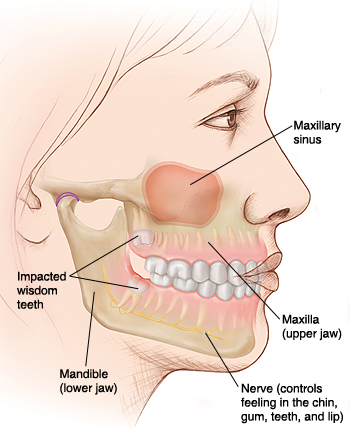

Jaw And Facial Development In Children Apex Dental Dentist Des Moines Iowa
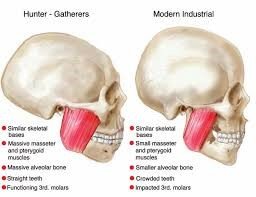
How Orthodontics Realigns The Face And Teeth

Understanding Jaw Orthognathic Anatomy And Problems
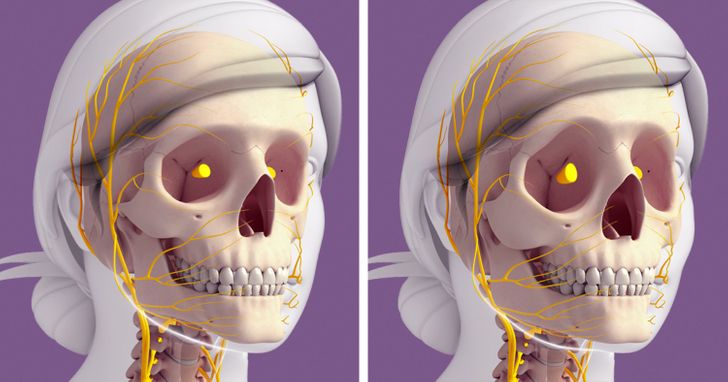
How Our Bodies Change After 30 And Why Our Faces Can Age So Drastically

Jaw And Facial Development In Children Apex Dental Dentist Des Moines Iowa
Face And Jaw Development In Children Your Dentist In Yakima Wa
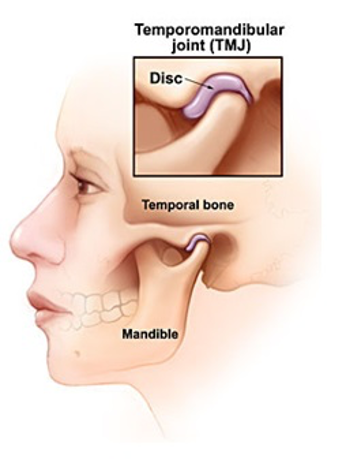
Jaw Problems Nras

Pin On My Cats